
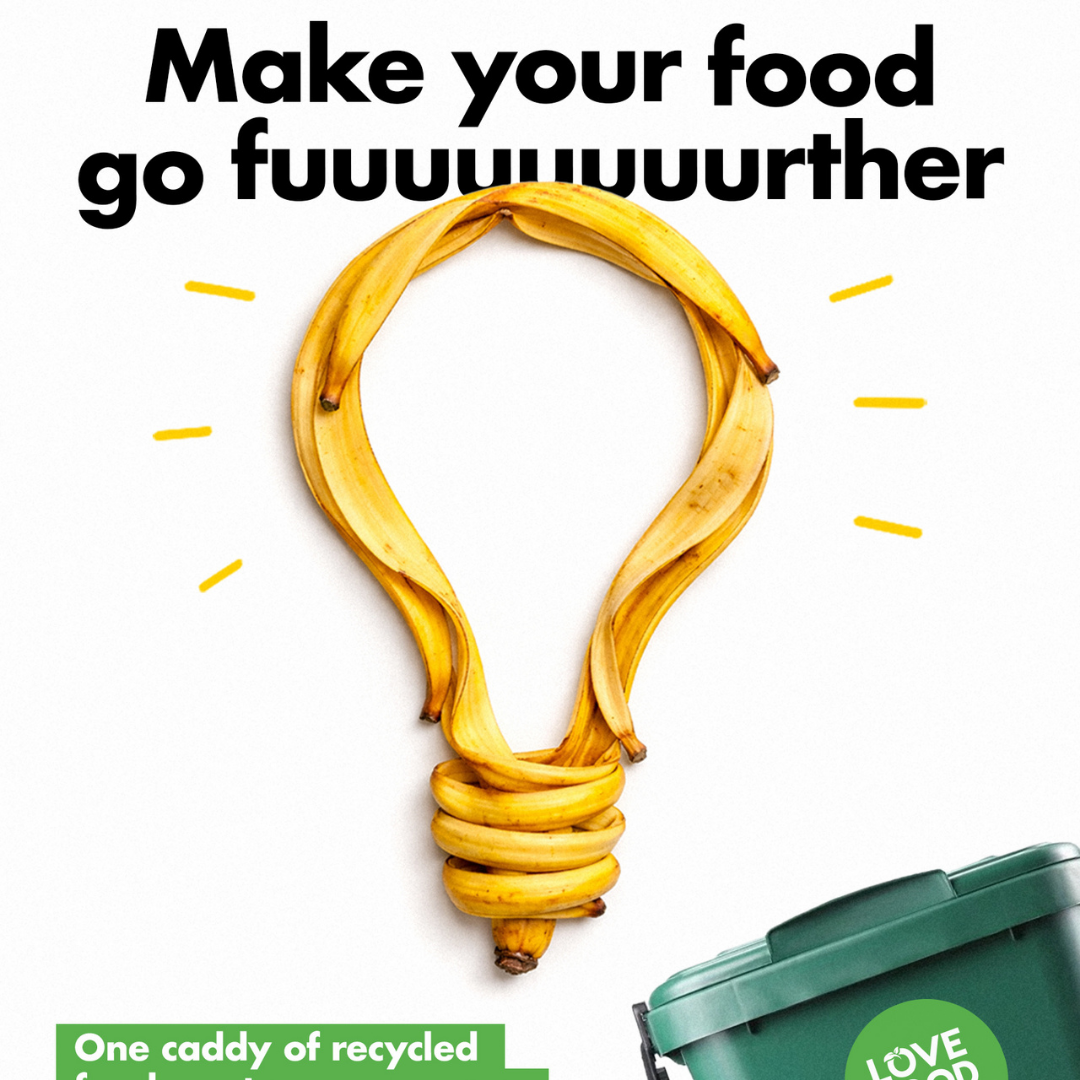
Top tips to reduce food waste and save you money during #FoodWasteActionWeek
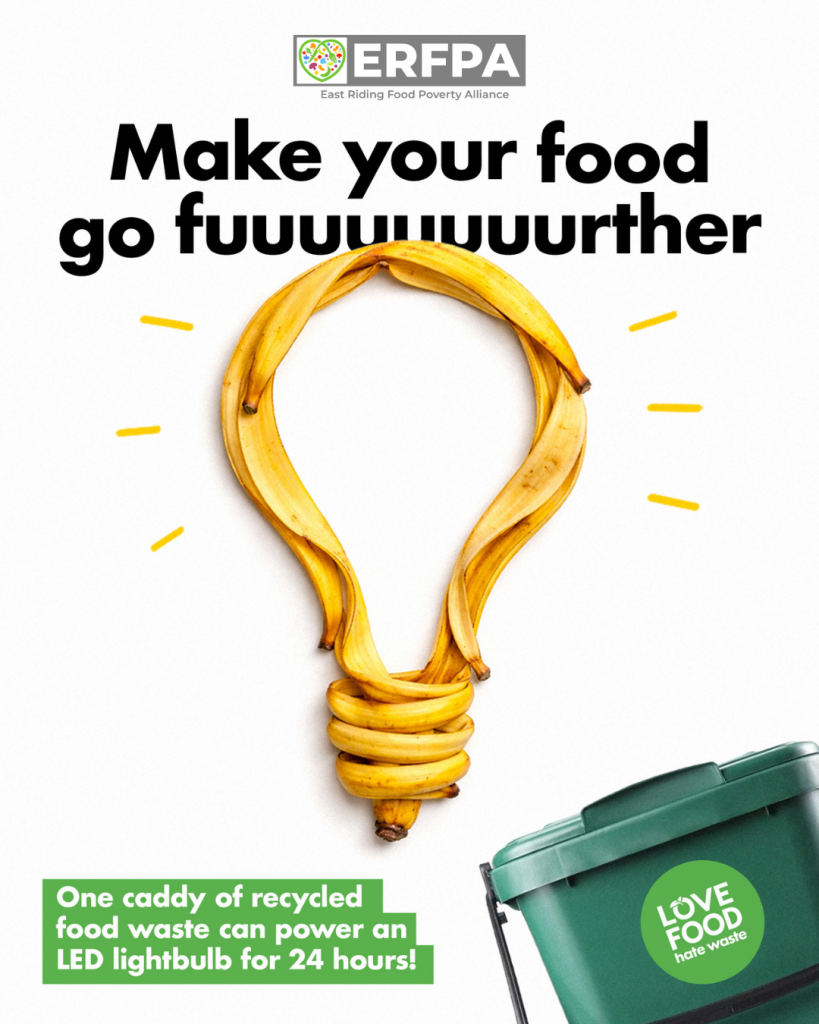
Food Waste Action Week 2026 is here, encouraging households, schools, and businesses across the UK to take simple steps to reduce the amount of food that goes to waste. Every year, millions of tonnes of perfectly edible food are thrown away, costing families money and contributing to unnecessary environmental damage.
This year’s campaign by Love Food Hate Waste focuses on practical everyday actions that help people get more from the food they buy while reducing waste.
Why Reducing Food Waste Matters
Food waste has a bigger impact than many people realise. When food is thrown away, the energy, water, and resources used to produce and transport it are also wasted.
Reducing food waste can:
- Save households money on their weekly shop
- Reduce pressure on landfill sites
- Lower greenhouse gas emissions
- Help people make better use of the food they already have
The good news is that small changes in how we shop, store, and use food can make a big difference.
Simple Tips to Reduce Food Waste
Here are some easy ways everyone can reduce the amount of food they throw away.
Plan Your Meals
Planning meals before shopping helps ensure you only buy what you need.
Try to:
- Check your cupboards, fridge, and freezer first
- Make a shopping list and stick to it
- Plan meals that use similar ingredients
Use What You Already Have
Before cooking, look for ingredients that need using up.
Ideas include:
- Adding leftover vegetables to soups or stir-fries
- Using overripe fruit in smoothies or baking
- Turning leftover meat into sandwiches, wraps, or salads
Freeze Food You Won’t Use in Time
Freezing is a great way to stop food from going to waste.
You can freeze:
- Bread
- Cooked meals
- Meat and fish
- Vegetables
- Fruit for smoothies
Just remember to label containers with the date so you know when they were frozen.
Storing Leftovers Safely
Leftovers can be a great way to reduce waste and save time cooking the next day.
Follow these simple storage tips:
Cool quickly:
Allow food to cool, then place it in the fridge within two hours.
Use airtight containers:
Store leftovers in sealed containers to keep them fresh.
Refrigerate promptly:
Most leftovers should be eaten within 2–3 days.
Freeze for later:
If you won’t eat leftovers within a few days, freeze them instead.
Reheat properly:
Make sure food is piping hot all the way through before eating.
Best Before vs Use By: What’s the Difference?
Food labels can sometimes be confusing, but understanding them can prevent unnecessary waste.
Best Before
A best before date refers to quality, not safety.
Food is usually still safe to eat after this date if it looks, smells, and tastes normal. These dates are commonly found on foods such as:
- Pasta
- Rice
- Tinned foods
- Cereals
- Biscuits
Use By
A use by date relates to food safety.
Food should not be eaten after the use by date, even if it looks and smells fine. These dates are usually found on perishable foods like:
- Fresh meat
- Fish
- Ready-to-eat meals
- Dairy products
Always follow storage instructions on packaging to keep these foods safe.
Everyone Can Make a Difference
Reducing food waste doesn’t require major lifestyle changes. Simple habits such as planning meals, storing food properly, and understanding food labels can make a real difference.
Food Waste Action Week 2026 is a reminder that by making small changes in our kitchens, we can help save money, reduce waste, and protect the environment.